The Ask, The Cost, The Answer
A first look at What Deserves My Yes, a new eight-week journal, out now: the three moves it is built on, and why a yes given by default is still a choice.
Read more →The words are out before the question has finished, and then you spend the week carrying what you agreed to.
A quick yes is rarely a decision. It is usually a reflex. Agreeing feels kind, fast and easy, while pausing feels awkward, even rude, so the answer arrives before you have noticed that there was a question.
The cost is easy to miss because it turns up later and in pieces: a tired evening, a favour you resent, a week that belongs to someone else’s priorities. Nothing looks wrong in the moment you say yes, so the pattern repeats.
Catching it does not mean saying no more often. It means winning back a small gap between the ask and your answer, long enough to notice what is being asked and what saying yes would quietly push aside. After that, yes can still be yes. It is simply one you chose.
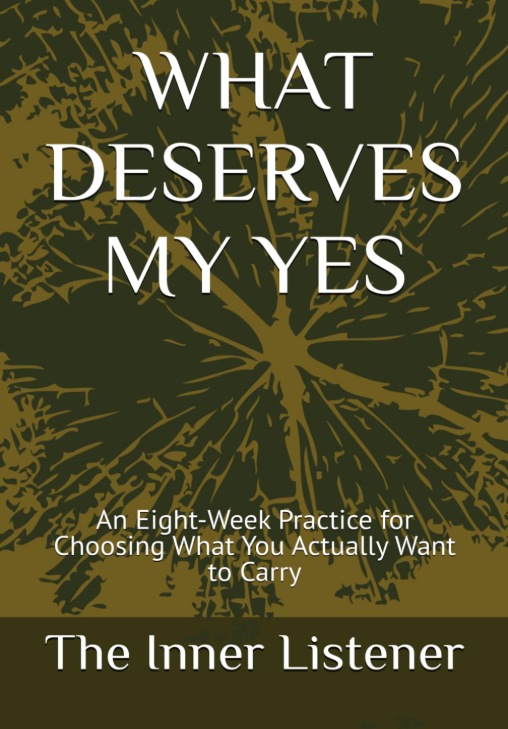
An eight-week guided journal for noticing what is asking for your time and energy, and answering on purpose. Three short lines a day.
On the Journals page this sits under “I say yes when I mean no, and I swallow what I mean to say.”
Not quite this one? Two other places to begin:
Or take the two-minute quiz → · Try the free 7-Day Reset →
A first look at What Deserves My Yes, a new eight-week journal, out now: the three moves it is built on, and why a yes given by default is still a choice.
Read more →A pro tip from The Pattern Interrupt: ask your body how it is feeling, and only trust the first answer that comes within three to five seconds.
Read more →No. The journal is not about refusing. It is about noticing what is asking for your time and energy, and answering on purpose. Many of your yeses may stay exactly as they are.
Some asks come with very little choice. You can still notice what an ask costs you and what you are choosing to give, even when the answer stays yes. Where a decision is not yours to make, note it, and look at the ones that are.
That is the aim. A yes you meant is a good outcome, and the journal helps you tell the difference between those and the ones that happen by reflex.
A journal is a quiet space for reflection, not a substitute for professional medical, psychological or therapeutic advice. If anything here brings up more than you expected, please pause and speak to a qualified professional or someone you trust.